

Store Owner’s Guide to Storing Bread

Keeping bread fresh in your store is about more than just preserving food — it’s about maximizing your margins, saving labor time and building customer loyalty. While most bread storage tips target consumers at home, as a store owner, you know that freshness starts long before bread reaches a shopper’s pantry.
Preventing spoilage and extending shelf life on your shelves requires the right strategies at every step, from receiving and stocking to rotation and display. That’s why we’ve compiled this guide to help you protect product quality and get the most from your baked goods inventory.
How to Keep Bread Fresh
Understanding how to keep bread fresh starts with knowing what you’re up against. Bread goes stale as its starches change structure over time, often faster in colder temperatures, and it spoils when mold takes hold, especially in warm, humid conditions.
Refrigeration can slow mold, but it usually accelerates staling, which is why many grocery programs rely on packaging, rotation and frozen programs. Freezing typically preserves bread from staling and helps prevent mold growth for two to three months, or possibly longer for some products, though quality may decline after this period.
For store teams, “freshness” is an operational system. Temperature swings, humidity and proper rotation can matter as much as the product itself. If your set includes high-velocity staples like sandwich bread, as well as specialty items like sourdough bread, the same system still applies. Coordinate ordering frequency and display priorities to align with sell-through.
10 Tips for Storing Bread and Keeping It Fresh
Extending bread freshness means less inventory loss and more sales. While bread will eventually stale or spoil, you can significantly extend the product’s lifespan with the right bread storage environment. Here are 10 reliable methods to help you keep bread fresh in your store.
1. Practice Temperature Control
For most sets, the best way to store bread is at a stable room temperature with a consistent inventory rotation. Refrigeration typically makes bread stale faster by promoting starch retrogradation. If possible, keep your bakery or bread set away from refrigerated or frozen sections and minimize exposure to direct sunlight or sudden temperature changes, as these can accelerate staling.
2. Maintain the Air Circulation Balancing Act
Fresh-baked bread needs airflow to cool properly, and crusty loaves benefit from some circulation to maintain ideal textures. If your store thaws frozen bread in the oven, allow air to circulate over the loaves as they cool. Many bakeries set their air-handling systems to provide 20 to 25 air changes per hour to maintain steady airflow that supports quality and consistency, minimizing unexpected freshness issues.
3. Beat Mold With an Air Filter
Good air quality throughout your store supports overall food safety and helps prevent mold in every department, not just the bakery section. A HEPA filter can filter dust, pollen, mold and bacteria. Some facilities also consider UV in HVAC systems. The UV light cleaner can kill mold and bacteria within the system itself. Work with an HVAC professional to choose the right approach for your store.
4. Minimize Humidity to Prevent Mold Growth
While humidity is necessary during baking, too much moisture in your display areas can shorten shelf life and affect crust texture. Maintaining a lower humidity is commonly recommended for bread storage environments.
During seasonal humidity spikes, check your HVAC system, confirm your packaging is properly sealed and increase date checks during stock-ups.
5. Organize According to Shelf Life
Effective rotation is essential for preserving freshness. Thaw only what you expect to sell, and keep “today’s” product front and center. For packaged sliced bread, use first-in, first-out rotation methods and train your clerks to check the dates during stock-ups.
While the U.S. Department of Agriculture doesn’t mandate expiration dates for bread, you’ll see best-by, sell-by, use-by, freeze-by and expiration dates. Pick one clear internal rule for your set, such as prioritizing sell-by dates, to simplify inventory control and help your store reduce loss.
6. Promote Frozen Bread Freshness With Appropriate Packaging
Packaging plays a key role in maintaining bread freshness on your shelves. Before stocking, make sure the thawed bread has reached room temperature to prevent condensation inside the packaging. For sliced bread, rolls and English muffins, plastic packaging is ideal for preserving shelf life and quality.
If your set includes both sourdough bread and sandwich bread, packaging consistency matters because shoppers compare freshness across the whole display. Some programs also use packaging technologies that reduce exposure to oxygen and moisture, thereby slowing staling and mold growth.
7. Use Merchandising to Sell Bread Faster
Sometimes the best way to keep bread fresh is to sell it faster. Displays, cross-merchandising and promotion can improve turnover. Consider combining bread displays with complementary items like deli cheeses, spreads or ready-to-eat meals to create themed pairings that draw extra shopper attention. In-store demos, eye-catching seasonal signage and limited-time bakery promotions can further accelerate turnover and keep your bread aisle top of mind during peak hours.
Not all bread suppliers have merchandising support. Gold Medal Bakery is different. We have committed sales and merchandising teams who visit stores to help bread clerks with merchandising, tracking and in-store execution.
Tip: Assign one person to oversee the entire display cycle, from setup and restocking to breakdown. This method helps promote consistency to keep your bread section fresh.
8. Reorder Bread More Frequently
If you’re consistently implementing best practices and want to further reduce inventory loss, consider placing smaller, more frequent orders. This approach helps you reduce days-on-hand and keep your rotation efficient, making it easier to maintain peak freshness.
At Gold Medal Bakery, we can analyze weekly sales patterns and recommend target stock levels. With direct delivery programs, some customers can adjust orders near delivery windows, which is helpful when weather, holidays or promotions shift demand.
9. Buy Frozen
Gold Medal Bakery lets you customize a fresh and frozen program. When you buy frozen bread, you’re buying fully baked bread that is immediately frozen and packaged in boxes.
Frozen programs can help stabilize availability and reduce the risk of spoilage, especially for slower-moving specialty items or for consistent coverage in an in-store bakery set. Unlike refrigeration, freezing baked goods does not accelerate retrogradation and helps prevent mold growth before the product reaches the shelf.
10. Understand Your Bread’s Ingredients
Ingredients affect shelf life, and bread with preservatives often lasts longer when unfrozen. If you partner with a manufacturer to co-package your bread recipe, it’s important to understand how ingredients affect handling and shelf life.
Many commercial bakeries use emulsifiers and enzymes to slow spoilage. You don’t need to be a food scientist. Just ask your supplier what approaches they use to learn what that means for your bread’s shelf life and inventory rotation.
Contact Gold Medal Bakery for Your Bread Needs
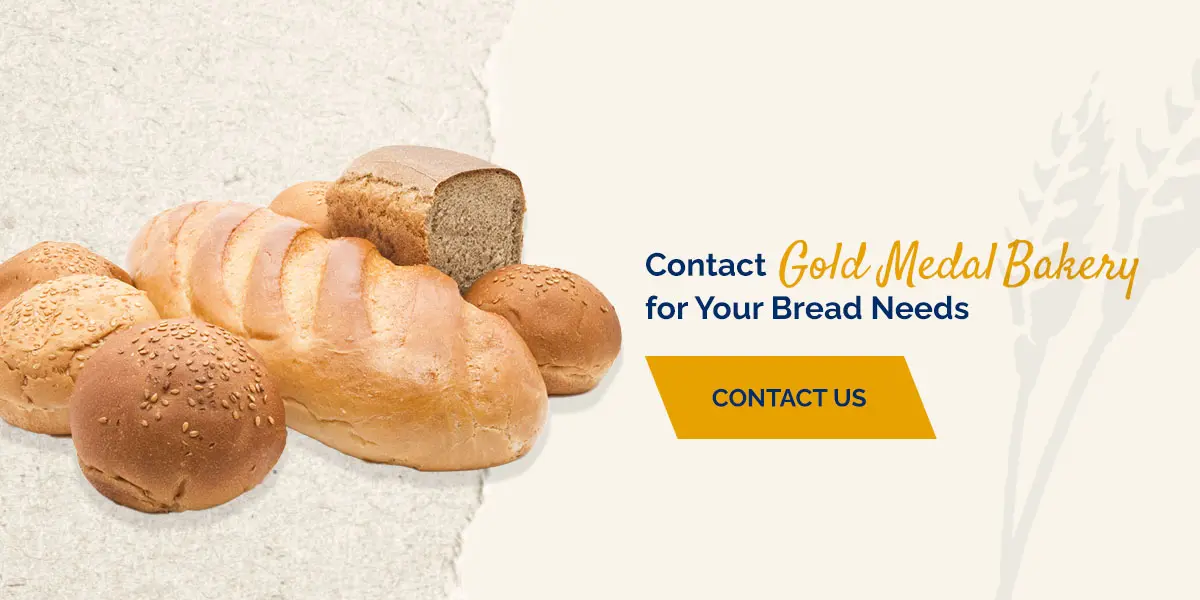
Gold Medal Bakery is your partner for private label and co-packaged bread and all your bread aisle needs. We’ve been baking the highest-quality bread for over 100 years, and our first responsibility is to our valued customers. We go beyond what most bakeries offer by visiting your store and helping you optimize baked goods for freshness.
Our dedicated support team doesn’t just deliver — we actively work with your staff to analyze trends, adjust orders and identify custom solutions for your unique product mix and traffic patterns. Whether you need merchandising support, help navigating seasonality or ongoing training for new team members, we’re invested in your store’s long-term success.
Contact us to learn more about our bread programs. For a productive next step, bring your current product movement, order cadence and display plan to the conversation. We’ll help you identify where shelf life, packaging and merchandising can work together to protect profitability.


